

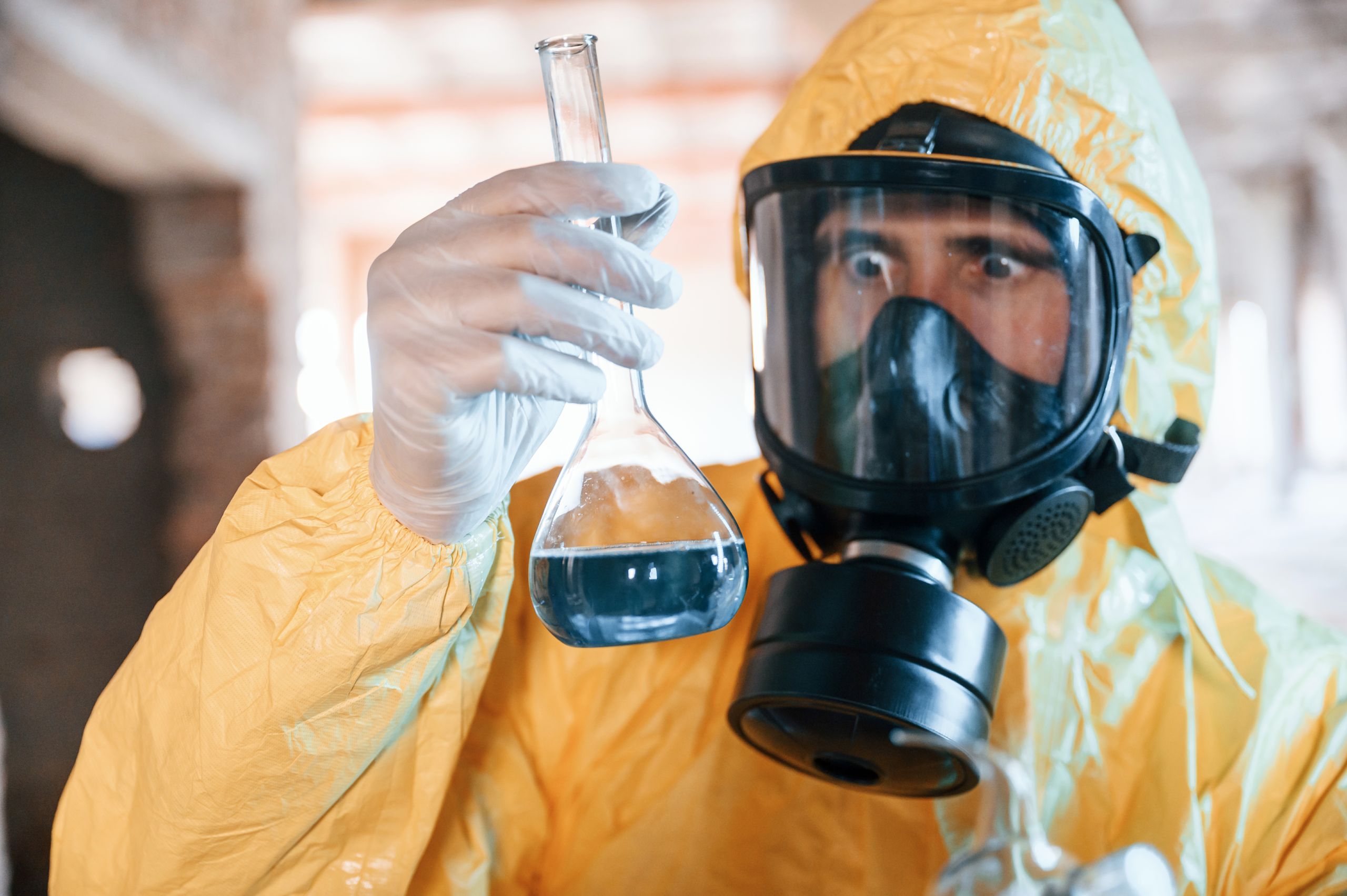


Hydrogen Sulfide (H₂S) Safety Awareness Training
Course Overview
Hydrogen Sulfide (H₂S) is a highly toxic, flammable, and potentially lethal gas commonly found in industries such as oil & gas, wastewater treatment, construction, and confined space environments. This training program is designed to provide participants with the essential knowledge and practical skills required to recognize, monitor, and safely respond to H₂S hazards in the workplace.
The course emphasizes hazard identification, safe work practices, emergency response procedures, and compliance with international safety standards, ensuring a safer working environment for all personnel exposed to H₂S risks.
Course Objectives
By the end of this training, participants will be able to:
- Understand the properties and characteristics of H₂S gas
- Identify common sources and high-risk environments
- Recognize the health effects and exposure limits
- Interpret warning signs and detection systems
- Use personal protective equipment (PPE) correctly
- Apply safe work procedures in H₂S-prone areas
- Respond effectively to H₂S emergencies and incidents
Target Audience
This training is ideal for:
- Oil & Gas field workers
- Maintenance and construction personnel
- Confined space workers
- Safety officers and supervisors
- Industrial workers exposed to hazardous gases
Course Duration
- 4 to 6 Hours (1 Day Training Program)
- Flexible scheduling available (in-class or onsite)
Training Methodology
- Instructor-led presentations
- Interactive discussions
- Case studies and real-life scenarios
- Demonstrations of H₂S detection equipment
- Practical exercises and emergency drills
Course Content
1. Introduction to Hydrogen Sulfide (H₂S)
- What is H₂S gas
- Physical and chemical properties
- Common industrial sources
- Characteristics (colorless, odor of rotten eggs, heavier than air)
2. Health Hazards and Exposure Limits
- Toxicity levels and exposure effects
- Short-term vs long-term exposure
- Occupational exposure limits (e.g., OSHA, ACGIH guidelines)
- Symptoms of exposure and overexposure
3. Hazard Identification and Risk Assessment
- Identifying H₂S-prone areas
- Confined spaces and high-risk zones
- Risk assessment procedures
- Safety signage and labeling
4. Detection and Monitoring Systems
- Types of H₂S gas detectors (portable and fixed)
- Calibration and maintenance basics
- Alarm systems and interpretation
- Importance of continuous monitoring
5. Personal Protective Equipment (PPE)
- Types of respiratory protection (SCBA, escape sets)
- Selection and proper usage of PPE
- Inspection, maintenance, and limitations
6. Safe Work Practices
- Permit-to-work systems
- Working in confined spaces
- Ventilation and control measures
- Buddy system and communication protocols
7. Emergency Response Procedures
- Recognizing emergency situations
- Evacuation procedures
- Rescue techniques and first response
- Roles and responsibilities during emergencies
8. First Aid and Rescue
- Immediate actions for H₂S exposure
- Basic first aid procedures
- Cardiopulmonary resuscitation (CPR) awareness
- Safe rescue without self-exposure
9. Regulations and Standards
- Overview of international safety standards (OSHA, HSE)
- Employer and employee responsibilities
- Compliance requirements
Assessment & Certification
- Short assessment (MCQ or practical evaluation)
- Certificate of Completion issued upon successful participation
Key Benefits
- Increased awareness of H₂S hazards
- Improved workplace safety and compliance
- Enhanced emergency preparedness
- Reduced risk of accidents and fatalities
Training Delivery Options
- Classroom Training
- On-site Training
- Customized corporate sessions