

Confined Space Entry Training
Course Overview
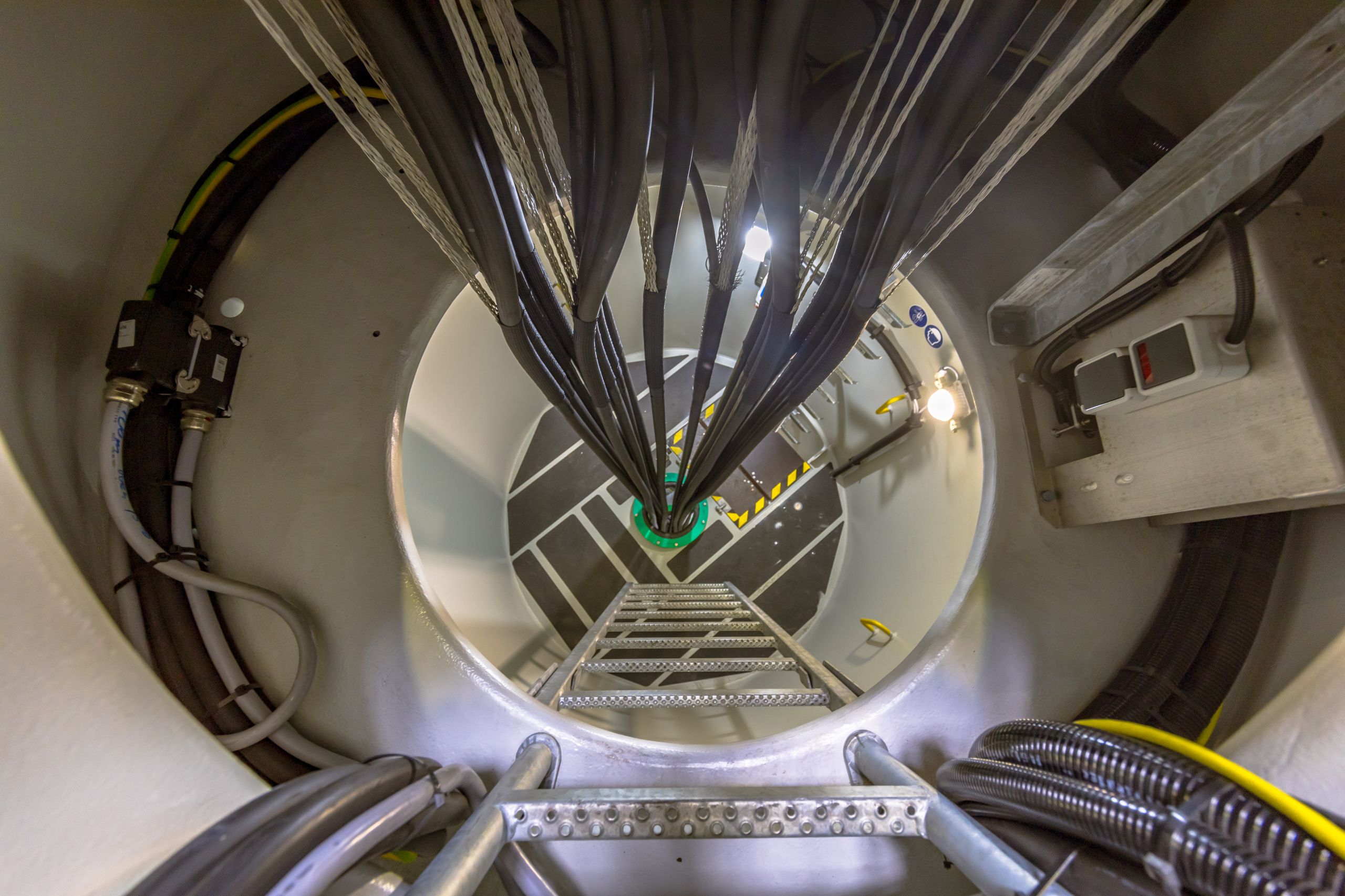
Confined Space Entry Training is a specialized safety program designed to equip workers, supervisors, and safety personnel with the knowledge and practical skills required to safely identify, assess, enter, and work within confined spaces. Confined spaces present serious hazards such as toxic atmospheres, oxygen deficiency, engulfment, and restricted entry/exit points, making proper training essential for accident prevention and compliance with safety regulations.
This course focuses on hazard recognition, risk assessment, permit-to-work systems, safe entry procedures, emergency response, and rescue planning to ensure safe operations in high-risk environments.
Target Audience
This training is suitable for:
- Maintenance workers and technicians
- Construction and utility workers
- Oil & gas industry personnel
- Industrial and manufacturing employees
- Safety officers and supervisors
- Contractors and site engineers
- Emergency response teams
Course Duration
Typically 4 to 8 hours (1-day training) depending on client requirements and depth of practical components.
Course Objectives
By the end of this training, participants will be able to:
- Define and identify confined spaces in the workplace
- Understand legal and regulatory requirements for confined space entry
- Recognize hazards associated with confined spaces
- Conduct risk assessments before entry
- Apply permit-to-work systems effectively
- Use gas detection and monitoring equipment
- Implement safe entry and exit procedures
- Understand roles and responsibilities of confined space teams
- Respond effectively to emergencies and rescue situations
- Use appropriate PPE for confined space operations
Course Content / Modules
1. Introduction to Confined Spaces
- Definition of confined spaces
- Types of confined spaces (tanks, tunnels, manholes, silos, etc.)
- Real-life incidents and case studies
2. Legal and Regulatory Requirements
- Employer and employee responsibilities
- Permit-to-work systems
- International safety standards and guidelines
3. Hazard Identification
- Atmospheric hazards (oxygen deficiency, toxic gases)
- Physical hazards (engulfment, drowning, entrapment)
- Mechanical and electrical hazards
- Heat stress and biological hazards
4. Risk Assessment & Control Measures
- Hazard identification process
- Risk evaluation techniques
- Hierarchy of controls
- Isolation and lockout/tagout procedures
5. Confined Space Entry Procedures
- Entry permit system
- Pre-entry checks
- Atmospheric testing and monitoring
- Ventilation requirements
- Communication systems
6. Personal Protective Equipment (PPE)
- Types of PPE for confined spaces
- Respiratory protection
- Harnesses and lifelines
- Gas detectors and alarms
7. Roles and Responsibilities
- Entrant responsibilities
- Attendant/standby person duties
- Entry supervisor responsibilities
8. Emergency Procedures and Rescue
- Emergency planning
- Rescue methods (non-entry and entry rescue)
- First aid considerations
- Incident reporting
9. Practical / Scenario-Based Learning (if applicable)
- Gas detector usage
- Permit completion exercise
- Mock confined space entry simulation
Training Methodology
- Instructor-led classroom training
- Interactive discussions
- Case studies and real-life incident analysis
- Practical demonstrations (where applicable)
- Scenario-based learning exercises
Assessment & Evaluation
Participants will be assessed through:
- Written or oral assessment
- Participation in practical exercises
- Trainer observation during activities
Certification
Upon successful completion, participants will receive a:
Certificate of Completion in Confined Space Entry Training
(Optionally CPD-accredited or internationally aligned certification depending on your training package)
Training Outcome
Participants will gain the confidence and competence to safely work in confined spaces, significantly reducing risk exposure and ensuring compliance with workplace safety standards.