
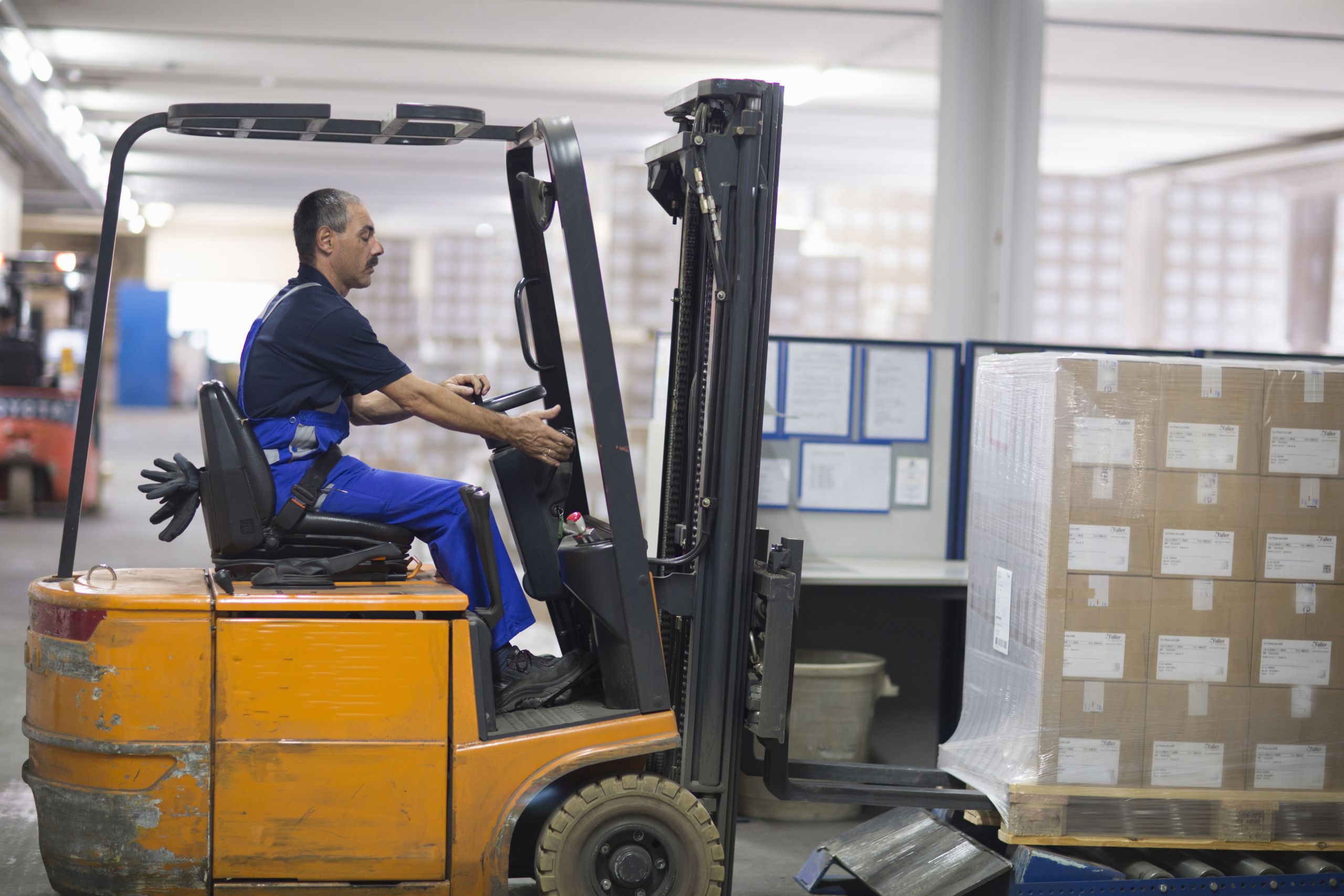


Forklift Operator Safety Training
Course Overview
The Forklift Operator Safety Training program is designed to equip participants with the essential knowledge, skills, and safety awareness required to operate forklifts safely and efficiently in compliance with international safety standards and workplace regulations. This course combines theoretical knowledge with practical demonstrations to minimize workplace accidents, enhance productivity, and ensure proper handling of materials.
Course Objectives
By the end of this training, participants will be able to:
- Understand the fundamentals of forklift operations
- Identify different types of forklifts and their applications
- Recognize workplace hazards associated with forklift use
- Operate forklifts safely and efficiently
- Perform pre-operational inspections and basic maintenance
- Apply safe load handling techniques
- Comply with safety regulations and best practices
- Respond effectively to emergencies and accidents
Target Audience
This course is suitable for:
- New forklift operators
- Warehouse and logistics personnel
- Construction and industrial workers
- Supervisors overseeing material handling operations
- Individuals seeking forklift operator certification
Course Duration
- 1 to 2 Days (6–12 hours)
- Includes both theoretical sessions and practical training
Training Methodology
- Interactive lectures and presentations
- Visual demonstrations
- Practical hands-on training
- Real-life case studies
- Group discussions
- Assessment and evaluation
Course Content
Module 1: Introduction to Forklift Safety
- Importance of forklift safety
- Roles and responsibilities of operators
- Legal requirements and workplace safety standards
Module 2: Types of Forklifts
- Counterbalance forklifts
- Reach trucks
- Pallet jacks
- Rough terrain forklifts
- Electric vs. diesel forklifts
Module 3: Forklift Components and Controls
- Main parts of a forklift
- Controls and instrumentation
- Stability principles and center of gravity
Module 4: Pre-Operational Inspection
- Daily inspection checklist
- Identifying faults and defects
- Reporting procedures
Module 5: Safe Operating Procedures
- Starting and stopping safely
- Steering and maneuvering
- Operating on slopes and uneven surfaces
- Driving in confined spaces
Module 6: Load Handling Techniques
- Understanding load capacity and load charts
- Proper lifting, lowering, and stacking
- Load stability and balance
- Avoiding overloading
Module 7: Workplace Hazards and Risk Control
- Common forklift-related hazards
- Pedestrian safety
- Warehouse and site safety practices
- Risk assessment techniques
Module 8: Maintenance and Battery/Fuel Safety
- Basic forklift maintenance
- Battery charging safety (for electric forklifts)
- Fuel handling precautions (diesel/LPG)
Module 9: Emergency Procedures
- Handling accidents and breakdowns
- Fire safety awareness
- Evacuation procedures
- Incident reporting
Module 10: Practical Training
- Hands-on forklift operation
- Load handling exercises
- Maneuvering in real workplace scenarios
- Instructor evaluation
Assessment & Certification
- Written or verbal assessment
- Practical skills evaluation
- Certificate of Completion issued upon successful completion
Key Benefits
- Improved workplace safety
- Reduced risk of accidents and injuries
- Increased operational efficiency
- Compliance with safety regulations
- Enhanced operator confidence and competence