

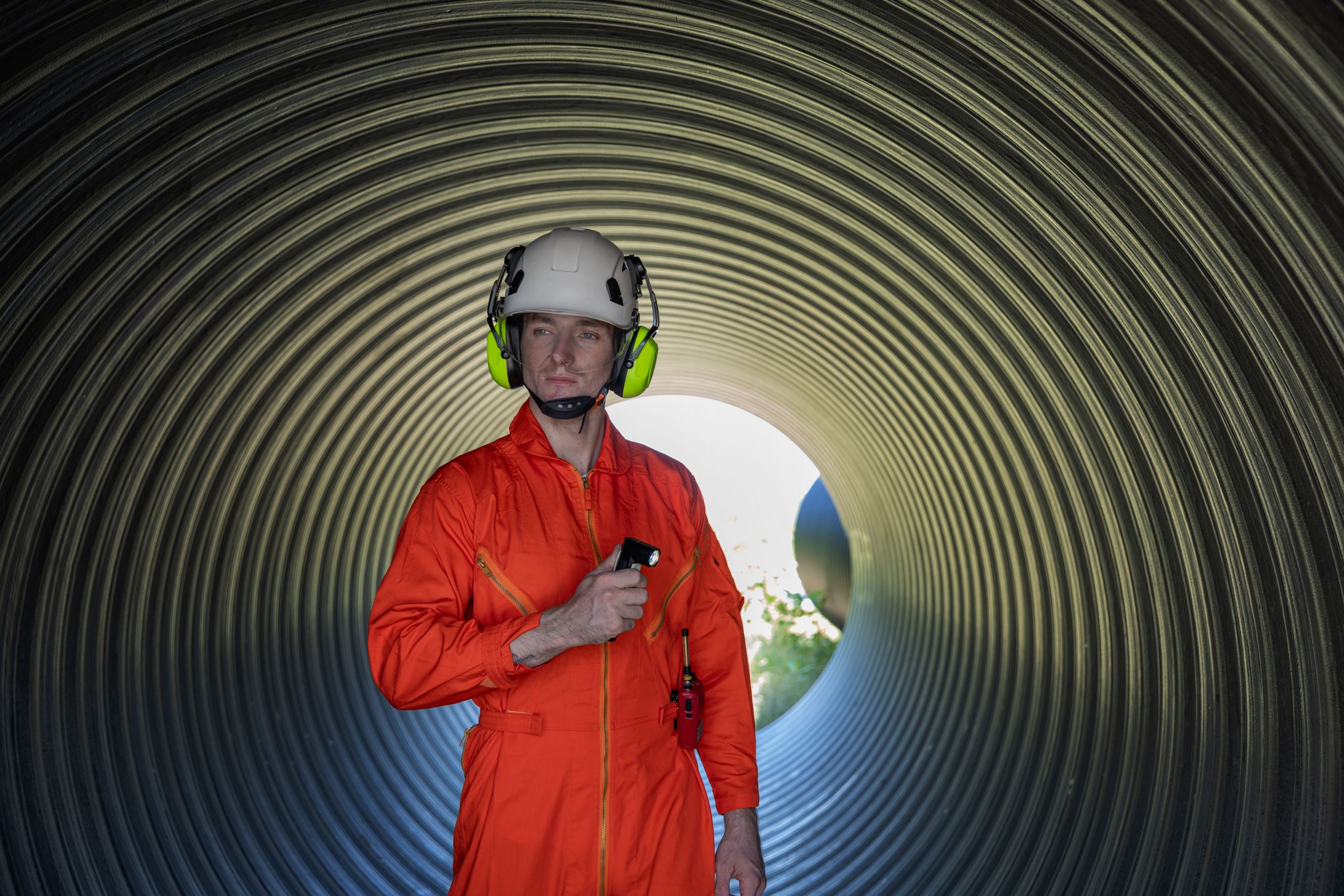


Confined Space Attendant Training
Course Overview
Confined Space Attendant Training is designed to equip participants with the essential knowledge and practical skills required to safely perform the role of a standby attendant (also known as a “hole watch”) in confined space operations. The training focuses on hazard awareness, communication procedures, emergency response readiness, and strict compliance with confined space entry regulations.
Confined spaces present unique and potentially life-threatening hazards such as toxic atmospheres, oxygen deficiency, engulfment risks, and restricted entry/exit points. The attendant plays a critical safety role by monitoring entrants, controlling access, and initiating emergency procedures when required.
Course Objectives
By the end of the training, participants will be able to:
- Understand the definition and classification of confined spaces
- Identify hazards associated with confined space entry
- Explain the roles and responsibilities of a confined space attendant
- Monitor atmospheric conditions and recognize unsafe changes
- Maintain effective communication with entrants and supervisors
- Control entry and exit of personnel and unauthorized access
- Respond appropriately to emergencies and initiate rescue procedures
- Apply permit-to-work systems and safety protocols
- Ensure compliance with occupational health and safety regulations
Target Audience
This course is ideal for:
- Safety attendants / hole watch personnel
- Maintenance and construction workers
- Safety officers and supervisors
- Industrial workers involved in tank, vessel, or underground work
- Facility maintenance teams
- Oil & gas, construction, utilities, and manufacturing personnel
Course Duration
Typically: 4 to 8 hours (1-day training)
Can be customized based on organizational requirements and regulatory standards.
Course Content / Modules
1. Introduction to Confined Spaces
- Definition and examples
- Types of confined spaces in industries
- Legal and regulatory requirements
2. Hazards in Confined Spaces
- Atmospheric hazards (oxygen deficiency, toxic gases)
- Physical hazards (engulfment, entrapment, heat stress)
- Mechanical and electrical hazards
- Biological hazards
3. Roles and Responsibilities of an Attendant
- Continuous monitoring duties
- Communication protocols
- Access control and authorization
- Accountability for entrants
4. Permit-to-Work System
- Understanding entry permits
- Verification and documentation
- Validity and cancellation procedures
5. Atmospheric Monitoring
- Use of gas detectors
- Interpreting readings
- Safe oxygen and gas levels
- Alarm response procedures
6. Communication Procedures
- Radio and verbal communication techniques
- Emergency signaling
- Maintaining constant contact with entrants
7. Emergency Response Procedures
- Evacuation protocols
- Rescue limitations of attendants (no entry rescue)
- Activation of emergency services
- Incident reporting
8. Safety Equipment and PPE
- Required PPE for attendants
- Gas detectors and alarms
- Rescue and retrieval systems overview
9. Practical Scenarios / Case Studies
- Simulated confined space monitoring
- Emergency decision-making exercises
- Hazard identification activities
Training Methodology
- Instructor-led presentations
- Interactive discussions
- Real-life case studies
- Practical demonstrations
- Scenario-based learning
Assessment & Certification
Participants will be assessed through:
- Short written/oral evaluation
- Participation in practical scenarios
- Instructor observation
Upon successful completion, participants receive a Certificate of Completion in Confined Space Attendant Training.
Learning Outcomes
After completing this course, participants will be competent to:
- Act as a safety-critical confined space attendant
- Prevent unauthorized entry and unsafe conditions
- Detect early warning signs of atmospheric danger
- Support safe entry operations effectively
- Respond quickly and correctly during emergencies