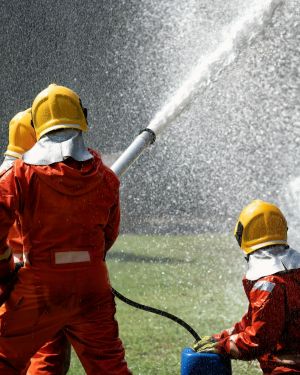




Emergency Evacuation and Rescue Training
Course Overview
The Emergency Evacuation and Rescue Training program is designed to equip participants with the essential knowledge, skills, and confidence required to respond effectively during emergency situations such as fire, gas leaks, natural disasters, structural hazards, and other critical incidents. The course focuses on safe evacuation procedures, rescue techniques, emergency coordination, and compliance with workplace safety regulations.
Participants will learn how to act quickly, calmly, and efficiently to protect lives, minimize risks, and support emergency response teams during crisis situations.
Target Audience
This training is suitable for:
- Employees in hotels, hospitality, and service industries
- Facility and building management staff
- Safety officers and supervisors
- Security personnel
- Corporate employees in high-occupancy buildings
- Emergency response teams and coordinators
Course Objectives
By the end of this training, participants will be able to:
- Understand types of emergencies and associated risks
- Identify evacuation routes, assembly points, and emergency exits
- Apply correct evacuation procedures under different scenarios
- Perform basic rescue techniques safely without self-endangerment
- Use emergency equipment such as fire extinguishers and alarms appropriately
- Communicate effectively during emergencies
- Assist vulnerable individuals (guests, elderly, children, or disabled persons) during evacuation
- Follow organizational emergency response plans and legal safety standards
Course Content / Modules
Module 1: Introduction to Emergency Preparedness
- Definition of emergencies and disaster types
- Importance of evacuation planning
- Roles and responsibilities during emergencies
Module 2: Risk Identification and Hazard Awareness
- Common workplace hazards
- Fire risks, electrical hazards, and structural dangers
- Early warning signs of emergencies
Module 3: Emergency Response Procedures
- Alarm systems and alert protocols
- Decision-making during emergencies
- Chain of command and communication flow
Module 4: Evacuation Planning and Execution
- Evacuation routes and exit strategies
- Assembly point procedures
- Controlled evacuation vs. emergency evacuation
- Crowd control techniques
Module 5: Rescue Techniques and Safety Measures
- Safe rescue principles (do’s and don’ts)
- Assisting injured or trapped individuals
- Handling smoke-filled or low-visibility environments
- Personal safety during rescue operations
Module 6: Fire Safety and Equipment Usage
- Types of fire and extinguishers
- PASS technique (Pull, Aim, Squeeze, Sweep)
- Fire alarm systems and suppression methods
Module 7: First Response and Basic Support
- Immediate first aid actions during evacuation
- CPR awareness (basic introduction)
- Managing panic and shock situations
Module 8: Special Considerations
- Evacuation of children, elderly, and disabled individuals
- Handling guests in hospitality environments
- High-rise building evacuation challenges
Module 9: Emergency Communication and Reporting
- Internal communication protocols
- Emergency reporting procedures
- Coordination with civil defense and emergency services
Module 10: Practical Drill and Simulation
- Fire and evacuation drills
- Role-play emergency scenarios
- Time-based evacuation exercises
- Post-drill evaluation and feedback
Training Methodology
- Interactive lectures and discussions
- Case studies and real-life incident analysis
- Practical demonstrations
- Emergency evacuation simulations
- Group exercises and role-playing
Duration
- Recommended duration: 4 to 8 hours (1 day program)
- Can be customized for intensive or industry-specific training needs
Assessment & Evaluation
- Participation in practical drills
- Short written or verbal assessment
- Trainer observation during simulations
- Performance-based evaluation
Certification
Participants who successfully complete the training will receive a Certificate of Completion in Emergency Evacuation and Rescue Training.
Learning Outcomes
After completing the course, participants will be able to:
- Respond confidently during emergency situations
- Lead or support evacuation processes effectively
- Reduce panic and ensure safe crowd movement
- Apply rescue techniques safely and correctly
- Contribute to a safer workplace environment