

Basic Fire Safety Training – Course Description
Overview
The Basic Fire Safety Training program is designed to equip participants with essential knowledge and practical skills to prevent fires, respond effectively during fire emergencies, and use basic fire-fighting equipment safely. The course emphasizes fire prevention awareness, emergency response procedures, and safe evacuation techniques in line with international safety standards.
This training is suitable for employees across all industries, including offices, hospitality, healthcare, retail, industrial sites, and educational institutions.
Course Objectives
By the end of this training, participants will be able to:
- Understand the basic principles of fire science (fire triangle and fire spread)
- Identify common fire hazards in the workplace and at home
- Apply fire prevention techniques to reduce risk
- Recognize different classes of fire and suitable extinguishing methods
- Operate basic fire-fighting equipment such as fire extinguishers and fire blankets
- Respond appropriately during fire emergencies
- Follow emergency evacuation procedures and assembly point protocols
- Understand roles and responsibilities during a fire incident
Target Audience
- Employees in all sectors
- New staff induction groups
- Safety officers and supervisors
- Hospitality and facility management staff
- Office and administrative personnel
- Industrial and warehouse workers
Course Content Outline
1. Introduction to Fire Safety
- Importance of fire safety in the workplace
- Fire statistics and common causes of fire incidents
- Legal and organizational responsibilities
2. Fire Science Fundamentals
- Fire triangle (heat, fuel, oxygen)
- Fire tetrahedron concept
- How fires start and spread
3. Fire Hazards and Prevention
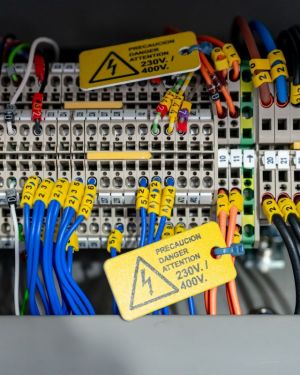
- Electrical hazards
- Flammable materials and storage risks
- Human behavior and fire risks
- Housekeeping and maintenance practices
4. Classes of Fire
- Class A: Solid materials (wood, paper, textiles)
- Class B: Flammable liquids
- Class C: Electrical fires
- Class D: Metal fires (basic awareness)
- Class K/F: Cooking oils and fats
5. Fire Detection and Alarm Systems
- Types of fire alarms and detectors
- How to respond when an alarm sounds
- Reporting procedures
6. Fire-Fighting Equipment
- Types of fire extinguishers (Water, Foam, CO₂, Dry Powder, Wet Chemical)
- PASS technique (Pull, Aim, Squeeze, Sweep)
- Fire blankets and their usage
- When NOT to fight a fire
7. Emergency Response Procedures
- Emergency evacuation steps
- Safe exit routes and assembly points
- Roles during evacuation (fire wardens, marshals)
- Assisting vulnerable individuals
8. Practical Demonstration (if applicable)
- Hands-on use of fire extinguishers
- Simulated fire response scenarios
- Evacuation drill practice
9. Post-Emergency Actions
- Headcount and reporting
- Incident reporting procedures
- Lessons learned and prevention improvement
Training Methodology
- Interactive classroom sessions
- Multimedia presentations
- Group discussions and case studies
- Practical demonstrations (where applicable)
- Fire simulation exercises (optional)
Duration
- Typically 3 to 4 hours (can be customized based on client requirements)
Assessment & Certification
- Short knowledge assessment (optional)
- Practical evaluation (if included)
- Certificate of Completion awarded to successful participants
Learning Outcomes
Participants will leave the course with increased confidence in identifying fire risks, responding to emergencies, and contributing to a safer working environment through proactive fire prevention practices.