


Breathing Apparatus Safety Training
Course Overview
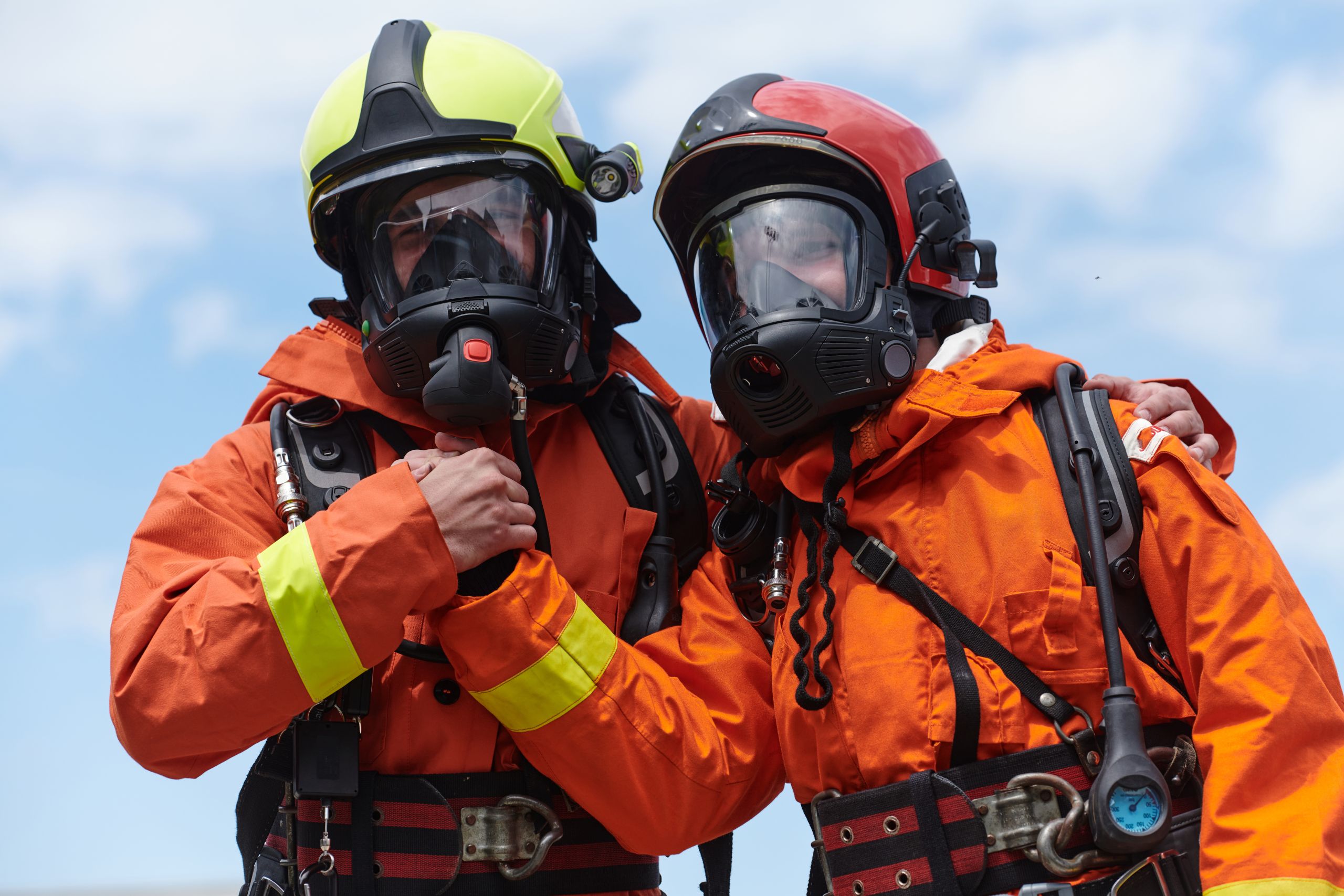
The Breathing Apparatus Safety Training is designed to equip participants with the essential knowledge and practical skills required to safely use, maintain, and operate breathing apparatus (BA) equipment in hazardous environments. This training is critical for personnel working in industries where exposure to toxic gases, smoke, oxygen-deficient atmospheres, or confined spaces is a risk.
Participants will gain a comprehensive understanding of different types of breathing apparatus, their components, operational procedures, and emergency response techniques. The course emphasizes both theoretical knowledge and hands-on practice to ensure competence and confidence in real-life scenarios.
Course Objectives
By the end of this training, participants will be able to:
- Understand the purpose and importance of breathing apparatus in workplace safety
- Identify different types of breathing apparatus and their applications
- Demonstrate correct procedures for donning, doffing, and operating BA equipment
- Conduct pre-use checks and basic maintenance of breathing apparatus
- Recognize hazards associated with oxygen-deficient or contaminated environments
- Apply emergency procedures while using breathing apparatus
- Work safely in confined spaces and hazardous atmospheres
- Comply with relevant health and safety regulations and standards
Target Audience
This training is suitable for:
- Safety Officers and Supervisors
- Firefighters and Emergency Response Teams
- Oil & Gas Industry Workers
- Construction and Industrial Workers
- Confined Space Entry Personnel
- Maintenance and Engineering Staff
Course Duration
1 Day Training (6–8 Hours)
(Flexible scheduling available based on client requirements)
Training Methodology
The training is delivered using a combination of:
- Interactive presentations
- Demonstrations
- Practical hands-on exercises
- Scenario-based training
- Group discussions and case studies
Course Content
Module 1: Introduction to Breathing Apparatus
- Definition and importance
- Types of breathing apparatus (SCBA, EEBA, Airline Systems)
- Key components and functions
Module 2: Hazard Awareness
- Oxygen deficiency and enrichment
- Toxic gases and airborne contaminants
- Confined space hazards
- Risk assessment basics
Module 3: Equipment Familiarization
- Parts and assembly of BA equipment
- Cylinder types and pressure systems
- Face masks and sealing techniques
Module 4: Pre-Use Inspection and Maintenance
- Daily inspection procedures
- Leak checks and functionality tests
- Cleaning and storage guidelines
Module 5: Safe Usage Procedures
- Donning and doffing techniques
- Breathing control and air management
- Communication while using BA
Module 6: Emergency Procedures
- Emergency escape techniques
- Low air warning responses
- Rescue procedures and teamwork
Module 7: Practical Training
- Hands-on use of breathing apparatus
- Simulated emergency scenarios
- Confined space entry exercises
Assessment & Certification
- Participants will undergo practical and/or written assessment at the end of the training
- Successful participants will receive a:
Certificate of Completion – Breathing Apparatus Safety Training (CPD-aligned, if applicable)
Training Requirements
- Participants should be physically fit for practical exercises
- Comfortable clothing and safety shoes are recommended
- Basic understanding of workplace safety is an advantage
Key Benefits
- Enhances workplace safety and emergency preparedness
- Reduces risk of injury or fatality in hazardous environments
- Ensures compliance with safety regulations
- Builds confidence in handling emergency situations