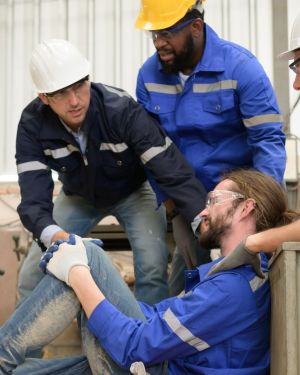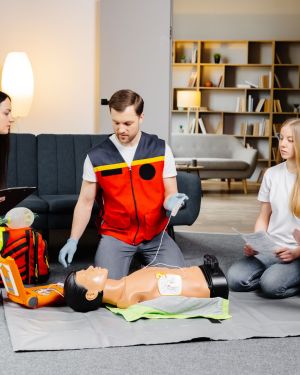



Highfield Level 3 International Award in First Aid Response (FAR)
Full Qualification Description
The Highfield Level 3 International Award in First Aid Response (FAR) is an internationally recognised qualification designed to provide learners with the comprehensive knowledge, practical skills, and confidence to respond effectively to a wide range of medical emergencies, injuries, and sudden illnesses in the workplace and other environments.
This qualification goes beyond basic emergency first aid and equips learners to act as a fully competent workplace first aider, capable of managing incidents until professional medical help arrives.
Qualification Overview
The Highfield Level 3 International Award in First Aid Response is intended for individuals who have a designated responsibility for first aid provision. It covers life‑saving interventions, casualty assessment, injury management, and illness response, including cardiopulmonary resuscitation (CPR) and the use of an Automated External Defibrillator (AED).
The course aligns with internationally accepted first aid and resuscitation guidelines and is suitable for organisations operating across a wide range of sectors.
Aim of the Qualification
The qualification aims to:
- Prepare learners to carry out the role of a workplace first aider
- Enable effective management of medical emergencies, injuries, and sudden illness
- Develop practical competence in CPR and AED use
- Improve organisational safety and emergency preparedness
- Support compliance with workplace health and safety and first aid requirements
Target Audience
This qualification is suitable for:
- Appointed workplace first aiders
- Employees in medium‑ to high‑risk workplaces such as manufacturing, construction, logistics, facilities, and large sites
- Supervisors, team leaders, and managers with first aid responsibilities
- Security staff and event personnel
- Individuals seeking a comprehensive international first aid qualification
No previous first aid qualification is required, although basic literacy and communication skills are recommended.
Course Duration
- Total Guided Learning Hours: Approximately 18 hours
- Typically delivered over 3 days
Learning Outcomes
On successful completion of the qualification, learners will be able to:
- Understand the role and responsibilities of a workplace first aider
- Assess emergency situations and act safely
- Provide CPR and use an AED effectively
- Manage unconscious casualties
- Respond to choking incidents
- Control bleeding and manage shock
- Treat burns, fractures, wounds, and soft tissue injuries
- Provide first aid for a range of medical conditions and sudden illnesses
- Maintain accurate records and handover to emergency services
Course Content
1. Role and Responsibilities of a First Aider
- First aider duties, limitations, and ethics
- Legal and workplace considerations
- Personal safety and infection prevention
- Incident reporting and communication
2. Assessing an Emergency Situation
- Scene safety and risk assessment
- Primary and secondary surveys
- Recognising life‑threatening conditions
- Summoning appropriate assistance
3. Cardiopulmonary Resuscitation (CPR)
- Recognition of cardiac arrest
- Adult CPR techniques
- Management of casualties not breathing normally
4. Automated External Defibrillator (AED)
- Indications for AED use
- Safe and correct operation of an AED
- Team response and post‑incident procedures
5. Unconscious Casualty Management
- Managing an unconscious casualty who is breathing
- Recovery position
- Continuous monitoring
6. Choking
- Recognition of airway obstruction
- Treatment of choking in adults
7. Bleeding and Shock
- Control of external bleeding
- Use of dressings and pressure
- Recognition and management of shock
8. Burns and Scalds
- Thermal, chemical, electrical burns
- Immediate first aid treatment
- When to seek medical assistance
9. Injuries to Bones, Muscles, and Joints
- Fractures and dislocations
- Sprains and strains
- Immobilisation and casualty care
10. Wounds and Minor Injuries
- Cuts, grazes, and minor wounds
- Infection prevention
- Dressing and monitoring
11. Medical Conditions and Sudden Illness
- Heart attack and angina
- Stroke
- Asthma
- Diabetes (hypo and hyperglycaemia)
- Seizures
- Allergic reactions and anaphylaxis
Assessment Methods
Learners are assessed using:
- Practical assessment and observation
- Demonstration of CPR and AED use
- Management of simulated emergency scenarios
Certification and Validity
- Successful learners receive the Highfield Level 3 International Award in First Aid Response
Benefits of the Qualification
- ✅ Internationally recognised qualification
- ✅ Suitable for compliance and audit purposes
- ✅ Comprehensive coverage of workplace first aid needs
- ✅ Includes CPR and AED certification
- ✅ Improves confidence, competence, and emergency readiness
- ✅ Reduces risk and improves workplace safety culture
Progression Opportunities
Learners may progress to:
- Specialist first aid qualifications (Paediatric, Sports, Remote First Aid)
- Advanced life support or emergency response training
- Health and safety qualifications
- Instructor or trainer pathways (subject to entry requirements)