

Course Description
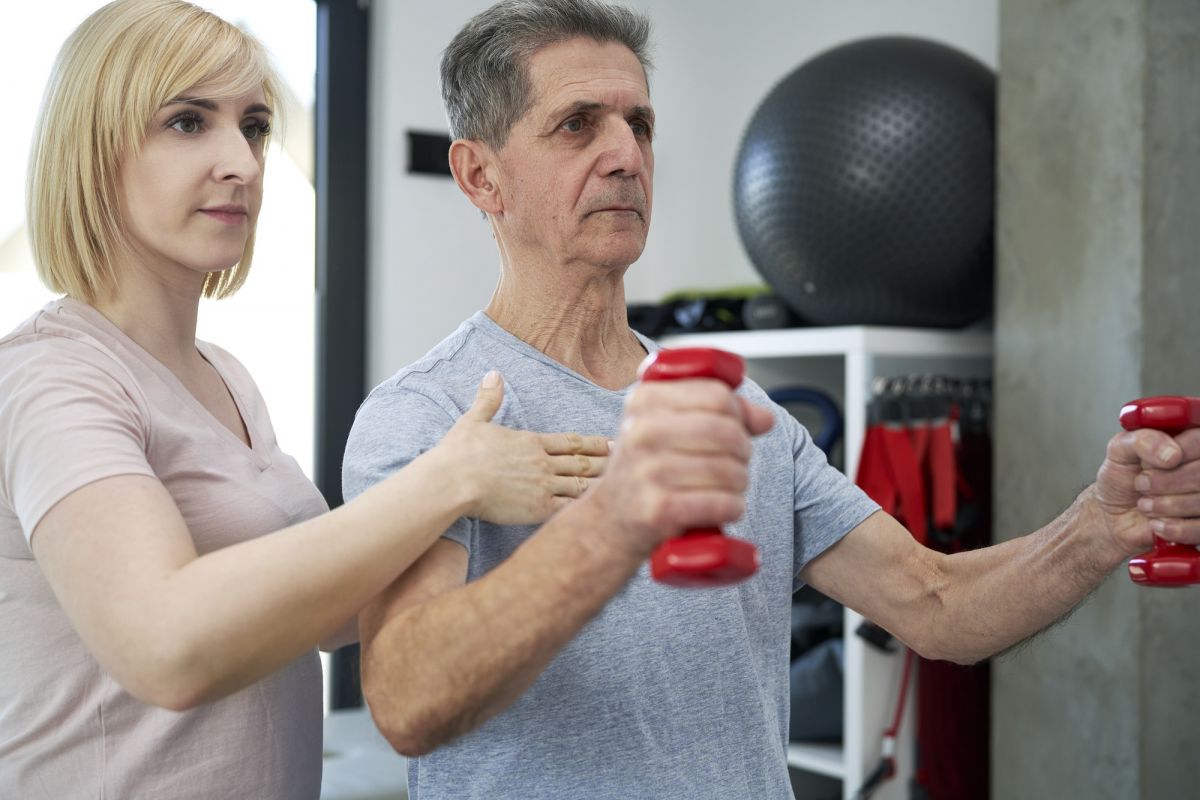
Bloom’s Taxonomy is widely recognized as a framework for learning and development, extending beyond traditional classroom education into adult learning and workplace training. This course focuses on the psychomotor domain, which emphasizes the development of physical skills, coordination, movement, and practical performance. Effective learning in the psychomotor domain combines physical ability with cognitive understanding and appropriate attitudes to achieve competence in task performance.
The Adult Learning: Physical Skills Workshop equips participants with the knowledge and techniques required to design, deliver, and assess training that develops physical skills. Participants will explore psychomotor learning theories, instructional methods, and practical activities that enhance skill acquisition, workplace performance, and adult learning outcomes.
Workshop Objectives
- Understand Bloom’s Taxonomy and its application to adult learning
- Explain the psychomotor domain and its importance in skill development
- Explore the different psychomotor learning taxonomies
- Apply effective methods for delivering psychomotor skills training
- Identify appropriate psychomotor learning activities
- Measure and evaluate psychomotor performance
- Plan effective physical skills training programs
Course Outline
Module One: Getting Started
- Workshop Objectives
- Action Plan Form
- Evaluation Form
- Pre-Assignment
- Pre-Test
Module Two: Bloom’s Taxonomy
- Bloom’s Theory
- History of Bloom’s Taxonomy
- New Understanding of the Taxonomy
- Definition and Learning Domains
- Practical Illustration
- Review Questions
Module Three: Observation
- Understanding Behavior
- Learning Through Observation
- Practical Examples
- Implementation Strategies
- Practical Illustration
- Review Questions
Module Four: Imitation
- Imitative Behavior
- Learning Through Demonstration
- Practical Examples
- Implementation Techniques
- Practical Illustration
- Review Questions
Module Five: Manipulation
- Developing Independent Performance
- Practical Actions
- Skill Development Examples
- Implementation Methods
- Practical Illustration
- Review Questions
Module Six: Precision
- Performing Skills with Accuracy
- Precision in Physical Tasks
- Practical Examples
- Training Implementation
- Practical Illustration
- Review Questions
Module Seven: Articulation
- Coordinating Multiple Skills
- Integrating Physical Actions
- Practical Examples
- Implementation Techniques
- Practical Illustration
- Review Questions
Module Eight: Naturalization
- Performing Skills Automatically
- Developing Mastery
- Practical Examples
- Implementation Strategies
- Practical Illustration
- Review Questions
Module Nine: Versions of the Psychomotor Domain
- Dave’s Psychomotor Taxonomy
- Harrow’s Psychomotor Taxonomy
- Simpson’s Psychomotor Taxonomy
- Comparing Different Psychomotor Models
- Practical Illustration
- Review Questions
Module Ten: Psychomotor Measurements
- Measuring Agility
- Measuring Precision
- Measuring Endurance
- Measuring Speed
- Practical Illustration
- Review Questions
Module Eleven: Skills to Consider When Planning
- Gross Motor Skills
- Fine Motor Skills
- Verbal Skills
- Nonverbal Skills
- Practical Illustration
- Review Questions
Module Twelve: Wrapping Up
- Words from the Wise
- Lessons Learned