
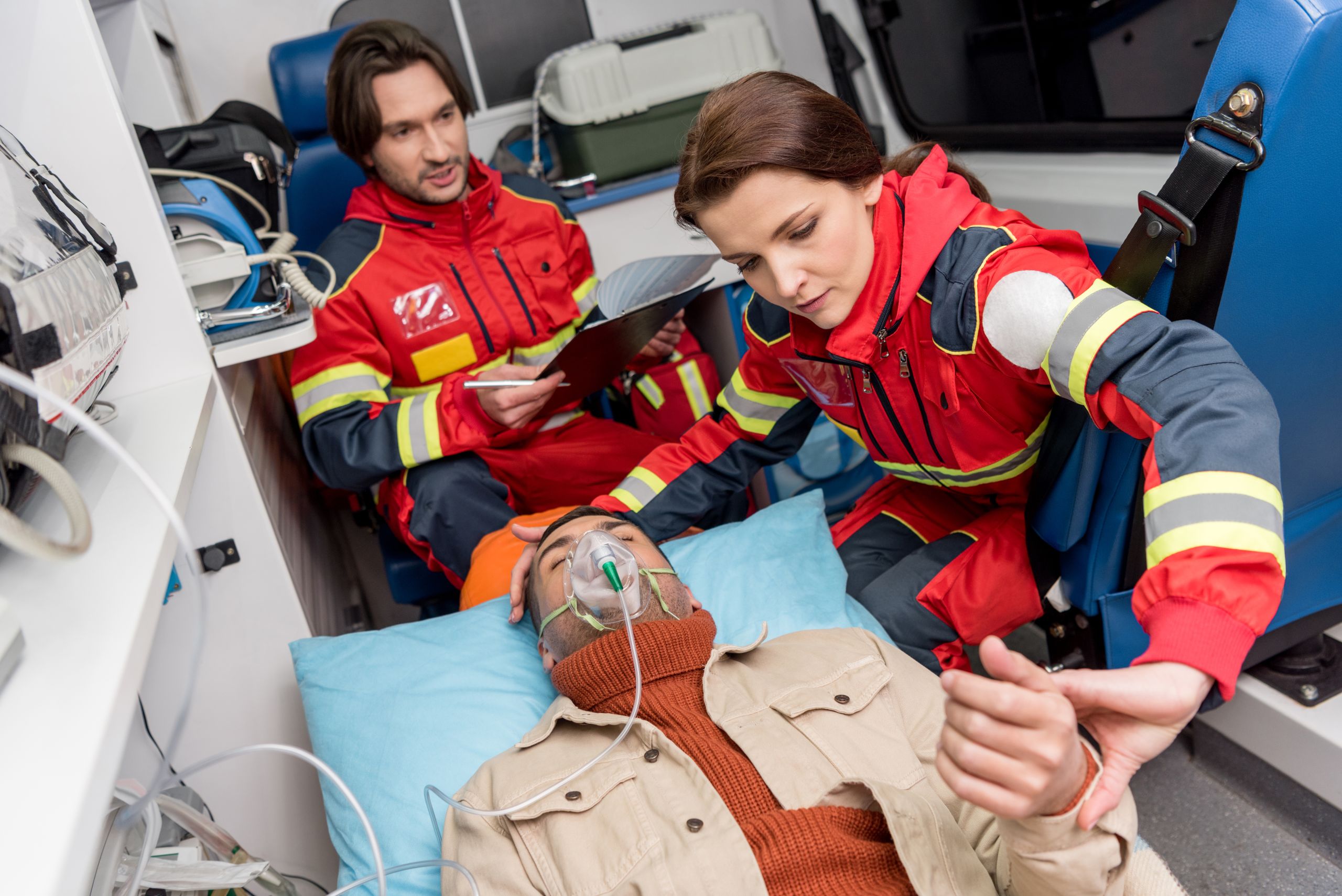


Basic Life Support Training
Overview
The Basic Life Support (BLS) Training program is a structured, hands-on course designed to equip participants with the essential skills and knowledge required to respond effectively to life-threatening emergencies. The training focuses on immediate recognition of cardiac arrest, respiratory failure, and choking, and the ability to provide high-quality cardiopulmonary resuscitation (CPR) until advanced medical help arrives.
This course follows internationally recognized emergency care guidelines and is suitable for healthcare professionals, workplace safety teams, hospitality staff, educators, security personnel, and any individual responsible for the safety of others.
Course Objectives
By the end of this training, participants will be able to:
- Recognize signs of cardiac arrest and respiratory distress
- Perform high-quality adult, child, and infant CPR
- Use an Automated External Defibrillator (AED) safely and effectively
- Respond to choking emergencies in adults, children, and infants
- Apply proper emergency response procedures in a workplace or public setting
- Demonstrate confidence in providing immediate life-saving assistance
Course Content
1. Introduction to Basic Life Support
- Importance of early intervention in emergencies
- Chain of survival
- Role of a first responder
2. Scene Safety and Assessment
- Ensuring personal and victim safety
- Assessing responsiveness
- Activating emergency medical services (EMS)
3. Cardiopulmonary Resuscitation (CPR)
- Adult CPR techniques
- Child CPR procedures
- Infant CPR procedures
- Correct hand placement, compression depth, and rate
- Rescue breathing techniques
4. Automated External Defibrillator (AED) Use
- Introduction to AED devices
- Step-by-step AED operation
- Safety precautions during defibrillation
- Integration of AED with CPR
5. Choking Management
- Recognition of airway obstruction
- Heimlich maneuver (abdominal thrusts)
- Back blows and chest thrusts for infants
- Self-help techniques for choking adults
6. Emergency Response Scenarios
- Cardiac arrest response
- Drowning incidents (basic response)
- Unconscious victim management
- Recovery position
7. Infection Control and Safety
- Personal protective equipment (PPE)
- Safe handling during resuscitation
- Hygiene and contamination prevention
8. Practical Hands-On Sessions
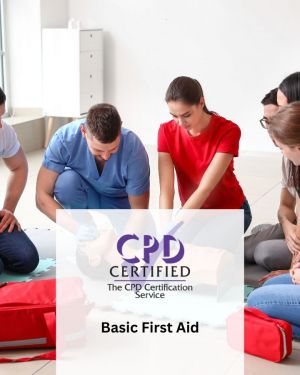
- CPR practice on manikins
- AED simulation training
- Real-life emergency scenario role-play
Training Methodology
- Instructor-led classroom sessions
- Demonstrations and visual presentations
- Practical hands-on CPR and AED practice
- Scenario-based learning
- Continuous instructor feedback
Duration
Typically 4 Hours (can be customized based on client requirements and group size)
Target Audience
- Healthcare professionals and medical staff
- Hospitality and hotel employees
- Teachers and school staff
- Security personnel
- Corporate employees
- General public seeking emergency preparedness skills
Assessment & Certification
Participants will be assessed through practical demonstrations and participation in simulated emergency scenarios. Upon successful completion, participants will receive a Basic Life Support Training Certificate of Completion (or accredited certification depending on provider standards).
Learning Outcome
Participants will leave the course with the confidence and ability to act quickly and effectively in life-threatening situations, potentially saving lives through timely and correct intervention.