


Course Description
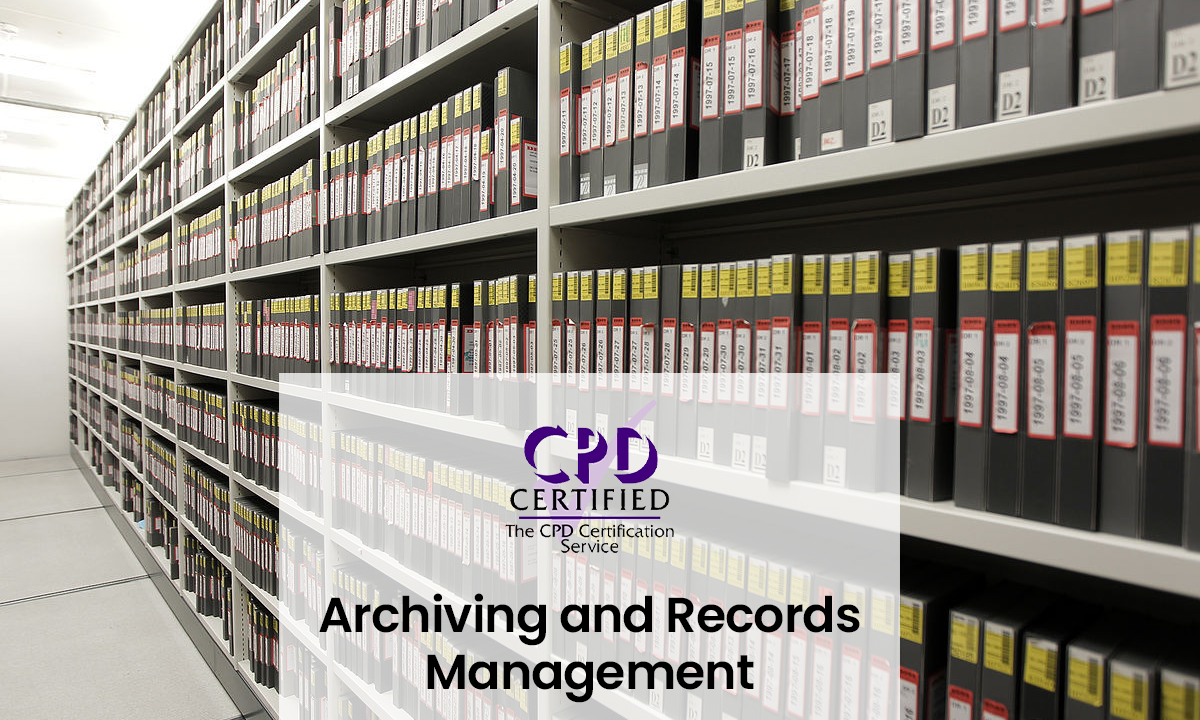
Effective records management is essential for ensuring business continuity, regulatory compliance, operational efficiency, and the preservation of valuable organizational information. The Archiving and Records Management training program equips participants with the principles, methodologies, and best practices required to establish and maintain an efficient records management system.
This comprehensive course explores the complete records lifecycle, from creation and classification to storage, retrieval, retention, preservation, and secure disposal. Participants will also gain an understanding of digital records management, electronic document management systems (EDMS), information governance, data protection, and international standards for records management. Through practical exercises and real-world case studies, participants will develop the skills needed to organize, protect, and manage organizational records effectively while reducing risks and improving operational performance.
Course Objectives
Upon successful completion of this training, participants will be able to:
- Understand the principles and importance of records and archives management.
- Differentiate between active, inactive, and archival records.
- Apply records lifecycle management principles effectively.
- Develop and implement records classification and filing systems.
- Organize physical and electronic records for easy retrieval.
- Establish records retention and disposal schedules.
- Ensure compliance with legal, regulatory, and organizational requirements.
- Protect confidential and sensitive information through secure records management practices.
- Utilize electronic document and records management systems (EDRMS) effectively.
- Improve organizational efficiency through effective records governance and information management.
What You Will Learn
During this program, participants will learn how to:
- Develop an organized and efficient records management system.
- Classify, index, and file records using industry best practices.
- Manage both physical and electronic records throughout their lifecycle.
- Create records retention schedules and disposal procedures.
- Archive records securely for long-term preservation.
- Retrieve records quickly and accurately when needed.
- Protect confidential information and ensure data security.
- Apply records management standards and compliance requirements.
- Reduce storage costs through effective records control.
- Support business continuity and organizational knowledge management.
Certification
Upon successful completion of the program, participants will receive a Certificate in Archiving and Records Management from Continuing Professional Development (CPD). This internationally recognized certification demonstrates the participant’s commitment to professional development and validates their knowledge and practical skills in records management, archiving, information governance, regulatory compliance, and organizational information management.
Target Audience
This course is designed for:
- Records Officers and Records Managers
- Document Controllers
- Administrative Professionals
- Office Managers
- Executive and Administrative Assistants
- Information Management Professionals
- Compliance and Governance Officers
- Human Resources Personnel
- Quality Management Professionals
- Legal and Regulatory Affairs Personnel
- Government and Public Sector Employees
- Anyone responsible for creating, managing, storing, or archiving organizational records
Course Outline
Module 1: Introduction to Records and Archives Management
- Principles of records management
- Importance of records and archives
- Records management standards and best practices
- Roles and responsibilities
Module 2: The Records Lifecycle
- Records creation and capture
- Classification and indexing
- Active, inactive, and archival records
- Lifecycle management concepts
Module 3: Filing Systems and Classification
- Manual and electronic filing systems
- Classification methods
- Naming conventions and indexing
- Records organization techniques
Module 4: Electronic Records Management
- Electronic Document and Records Management Systems (EDRMS)
- Digital archiving
- Metadata management
- Cloud-based records management
- Information security and access controls
Module 5: Records Storage and Preservation
- Physical storage requirements
- Environmental controls for archives
- Preservation techniques
- Disaster prevention and recovery planning
Module 6: Records Retention and Disposal
- Developing retention schedules
- Legal and regulatory requirements
- Secure destruction and disposal methods
- Documentation of disposal activities
Module 7: Information Governance and Compliance
- Data privacy and confidentiality
- Information governance frameworks
- Risk management
- Auditing records management systems
- Compliance with organizational policies
Module 8: Best Practices and Continuous Improvement
- Records management policies and procedures
- Performance measurement and quality improvement
- Business continuity planning
- Emerging trends in digital records and archiving
- Developing an organizational records management action plan
This comprehensive training equips participants with practical knowledge and internationally recognized best practices to establish efficient, compliant, and secure records management systems that support operational excellence, regulatory compliance, and long-term organizational success.