
2. Course Objectives
By the end of the training, participants will be able to:
Understand the principles of fire science, fire behavior, and fire classification.
Identify appropriate firefighting methods for different types of fires.
Demonstrate the safe and effective use of firefighting equipment.
Understand emergency response roles and incident coordination procedures.
Recognize workplace fire hazards and apply appropriate risk control measures.
Follow evacuation procedures and emergency communication protocols.
Understand basic search, rescue, and casualty-handling principles within the limits of their training.
3. Target Audience
This programme is suitable for:
Fire safety officers and supervisors
Facility management personnel
Security staff
Industrial workers and technicians
Workplace emergency response teams
Personnel working in construction, hospitality, oil and gas, and other higher-risk environments.
4. Course Content
Module 1: Fire Science and Behaviour
Fire triangle and fire tetrahedron
Classes of fire and suitable extinguishing methods
Fire development, behaviour, and spread
Common workplace fire hazards
Module 2: Firefighting Techniques
Offensive and defensive firefighting principles
Selection and application of firefighting agents
Water, foam, CO₂, and dry chemical extinguishing systems
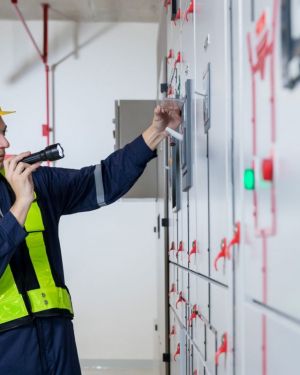
General precautions when dealing with electrical and chemical fires
Module 3: Firefighting Equipment
Types and safe operation of fire extinguishers
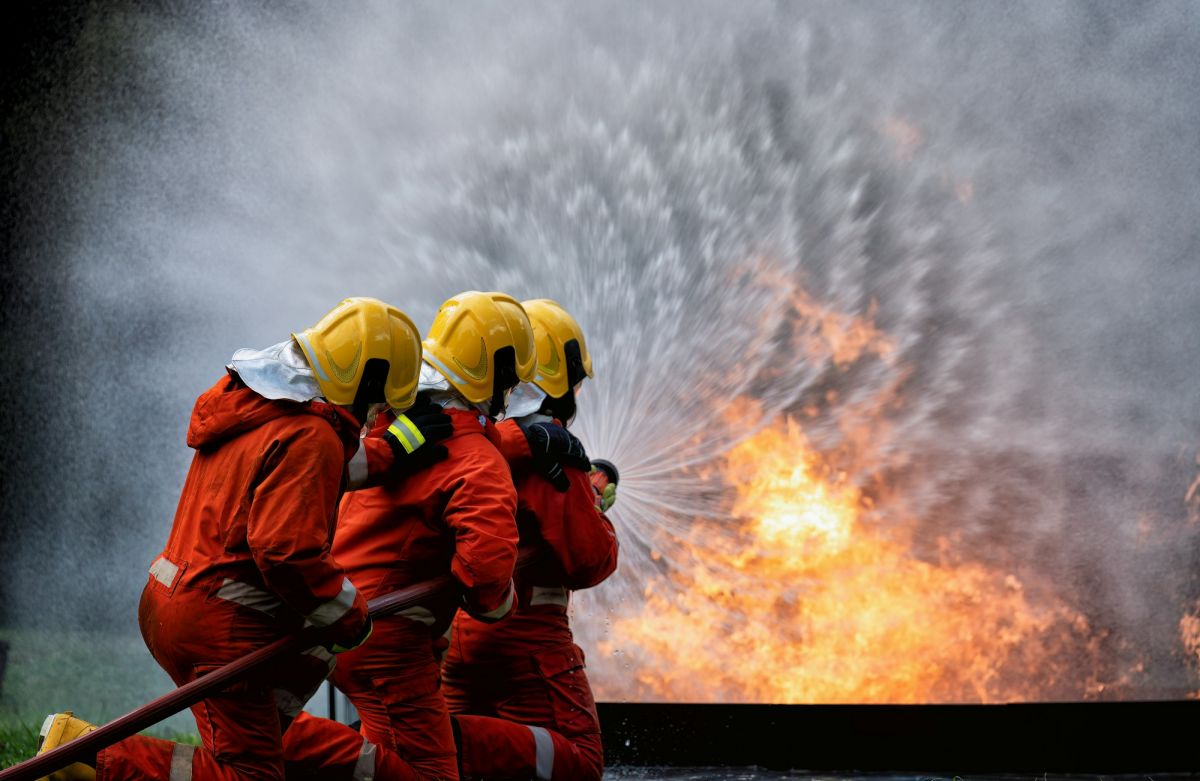
Fire hose handling and basic equipment operation
Overview of breathing apparatus and associated safety precautions
Inspection and maintenance awareness
Module 4: Emergency Response and Incident Coordination
Roles and responsibilities during fire emergencies
Introduction to incident command principles
Emergency communication and coordination
Initial response and escalation procedures
Module 5: Rescue Operations and Casualty Awareness
Introduction to search and rescue principles
Basic casualty handling and first aid awareness
Risks associated with smoke-filled environments
Confined-space fire hazards and the importance of specialist response
Module 6: Hazard Identification and Risk Assessment
Identifying workplace fire hazards
Fire risk assessment principles
Preventive measures and risk control
Fire safety inspections and reporting
Module 7: Evacuation and Emergency Planning
Emergency evacuation procedures
Safe exit routes and crowd management
Assembly point coordination
Emergency planning and communication
Module 8: Practical Exercises and Assessment
Fire extinguisher handling demonstrations
Fire hose and equipment familiarization, where available
Emergency response scenarios and tabletop simulations
Fire evacuation drills and review of key safety procedures
5. Training Methodology
Instructor-led presentations
Interactive discussions and knowledge-sharing sessions
Equipment demonstrations
Practical exercises and simulations
Workplace scenarios and case studies
Knowledge assessment
6. Training Duration and Delivery
Duration: 6 hours
Delivery Mode: Classroom-based instruction combined with practical exercises, subject to venue and equipment availability
Practical Training: Live-fire drills and hands-on equipment exercises can be conducted only where suitable facilities, equipment, safety controls, and qualified supervision are available.
7. Certification
Participants who successfully complete the programme will receive a Certificate of Completion in Advanced Fire Fighting Training, subject to the training provider’s attendance and assessment requirements.